Curb Appeal Tricks That Will Help You Sell Faster
15 August 2026
First impressions are not just important in real estate; they are everything. When a potential buyer pulls up to your home, they make a judgment call within the first few seconds. That judgment is rarely about the square footage or the floor plan. It is about how the house makes them feel. If the outside looks tired, neglected, or chaotic, buyers will subconsciously assume the inside has the same problems, regardless of how well you have maintained the interior. Curb appeal is not about spending a fortune on landscaping or a full exterior remodel. It is about strategic, targeted improvements that signal to the buyer that this home has been cared for. Here is how you do it right.
The Psychology of the Front Door
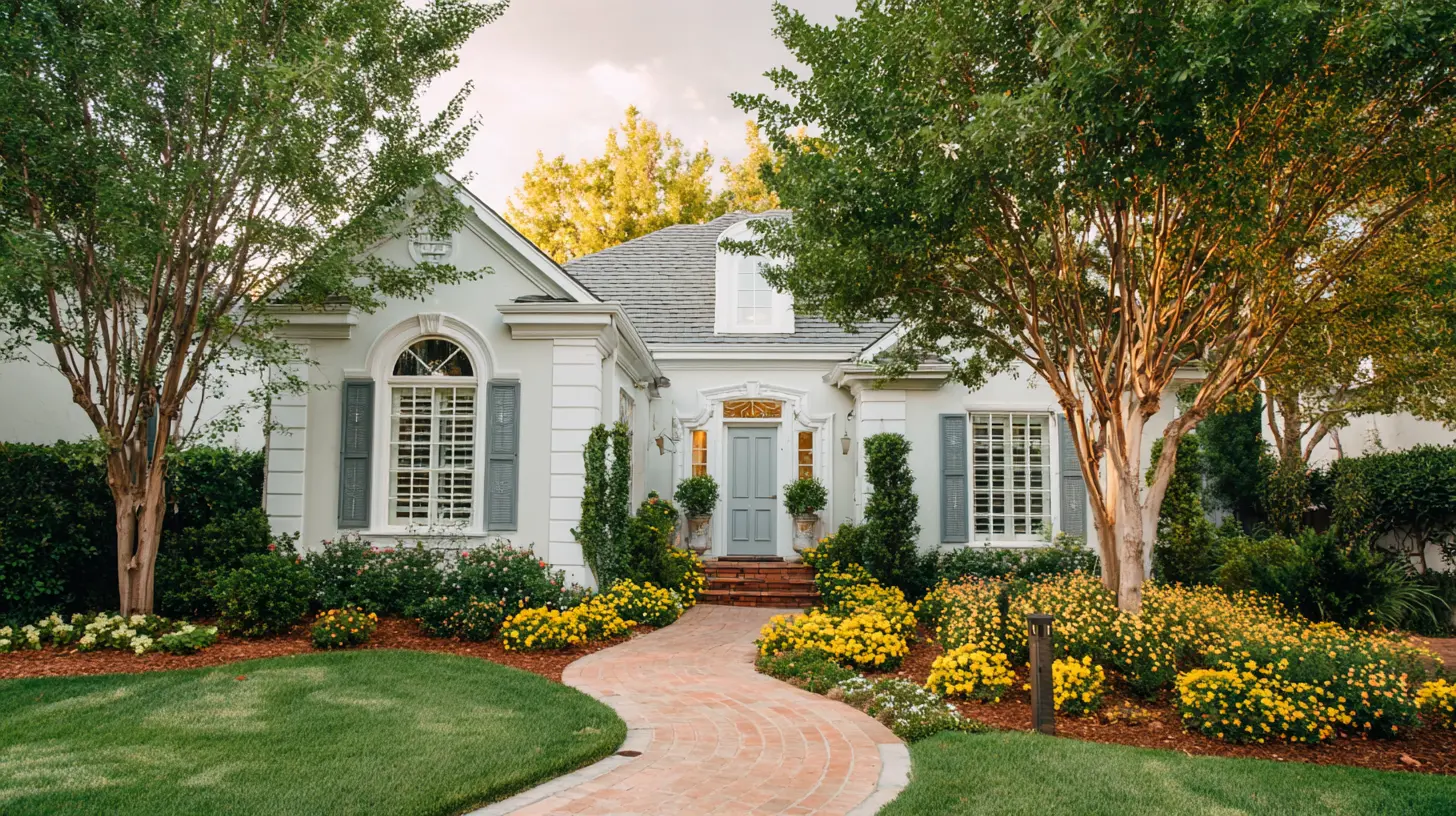
Let us start with the focal point of the entire facade: the front door. This is the gateway to the home, and it is the single most cost-effective upgrade you can make. A dull, peeling, or outdated door screams neglect. A fresh, bold color, on the other hand, creates an emotional anchor.Why does this work? Psychologically, the front door is a transition point. It represents the threshold between the public world and the private sanctuary. When you paint the door a welcoming color, you are subconsciously telling the buyer, "It is safe to enter. You belong here." You do not need to go crazy with neon colors. A deep navy, a classic black, a rich forest green, or even a warm terracotta works wonders. The goal is contrast. If your siding is light, go dark. If your brick is red, go with a black or charcoal door to ground the entryway.
However, do not just focus on the paint. Look at the hardware. That brass handle from 1995 with the tarnished finish is a silent killer. Replacing the doorknob, the house numbers, and the doorbell with brushed nickel or matte black hardware is a quick win. It is a detail that most buyers cannot pinpoint, but they feel it. They sense that the home is newer, fresher, and more expensive than it actually is.
One mistake I see constantly is homeowners replacing the door but leaving the old, cracked threshold or the peeling caulk around the frame. Take the time to scrape away old caulk and lay down a fresh bead. It costs five dollars and takes ten minutes, but it makes the door look like it is sealed against the world, which is a huge subconscious comfort.
The Green Rule: Landscaping That Works
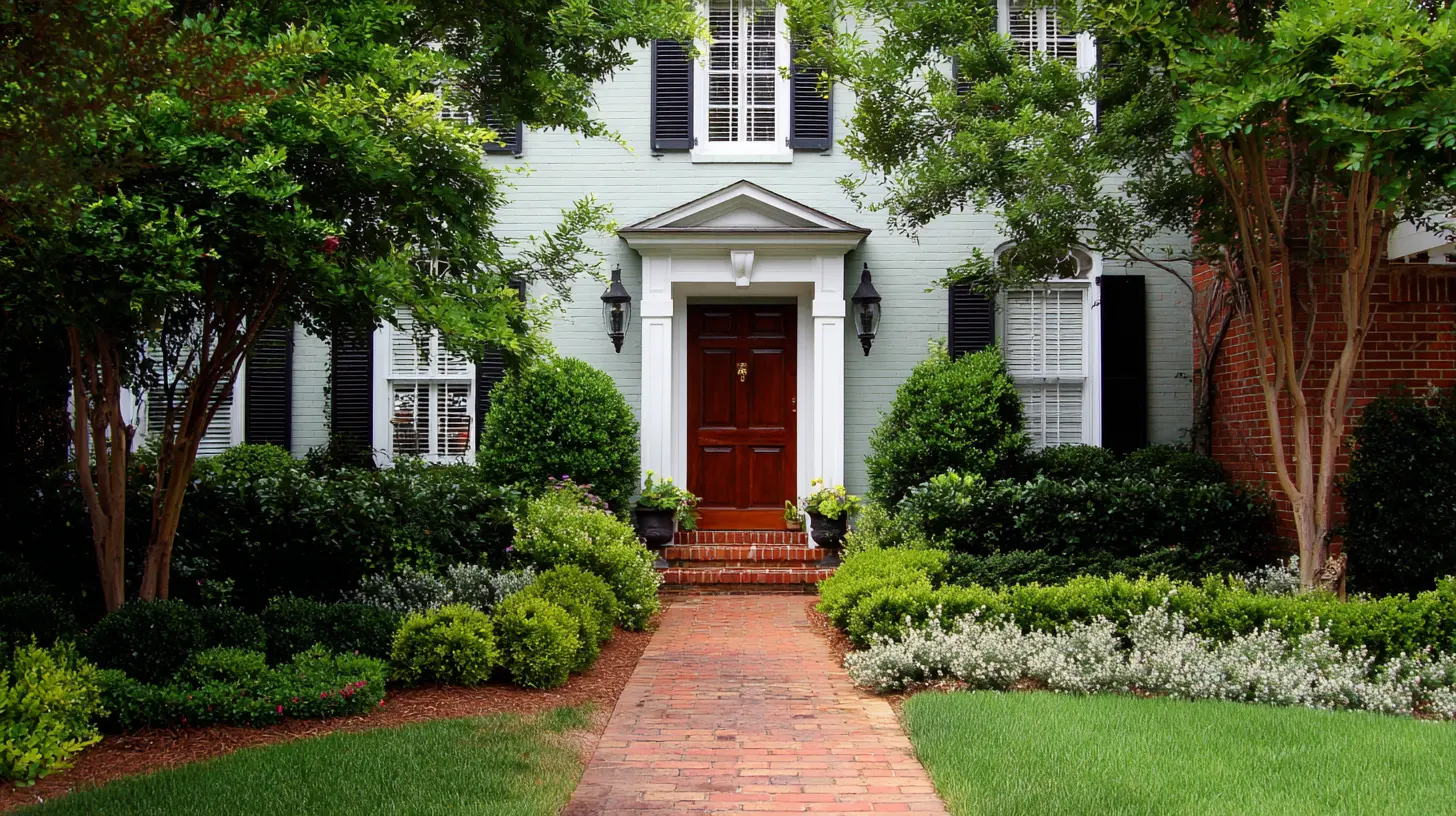
Landscaping is where most people either overdo it or give up entirely. There is a misconception that you need a professionally designed garden with exotic plants to impress buyers. That is false. Buyers want to see a home that is easy to maintain and looks alive.The first rule is the "three-foot rule." Within the first three feet of the foundation and the walkway, everything must be immaculate. This is the zone buyers actually look at when they are walking from the car to the door. Trim the hedges so they do not touch the siding. Overgrown shrubs rubbing against the house are a haven for pests and can trap moisture against the wood or brick, which is a legitimate concern. If the shrubs are scraping the windows, they are too big. Cut them back hard, even if it looks a little bare for a few weeks. It will grow back.
Do not plant a flower garden that requires daily watering. Buyers are busy people. They see a high-maintenance garden and they see a weekend chore. Instead, focus on mulch. Fresh, dark mulch is the cheapest magic trick in real estate. It instantly cleans up any bed, defines the space, and makes the plants pop. Do not buy the cheap dyed stuff that stains the sidewalk. Get a good quality hardwood mulch and lay it down thick, about two to three inches. It suppresses weeds and looks rich.
When it comes to plants, think in terms of "thriller, filler, spiller." This is a container gardening concept, but it applies to beds too. You want one tall focal point (a small ornamental grass or a dwarf shrub), some medium filler (annuals like petunias or marigolds), and something that spills over the edge (trailing ivy or vinca). This creates depth. But here is the expert tip: do not buy plants that are already in full bloom. Buy the buds. A house with plants that are about to bloom looks like it is growing, which is a metaphor for the home itself. A house with dead flowers looks like the end of the season.
The Driveway and Walkway: The Silent Negotiator
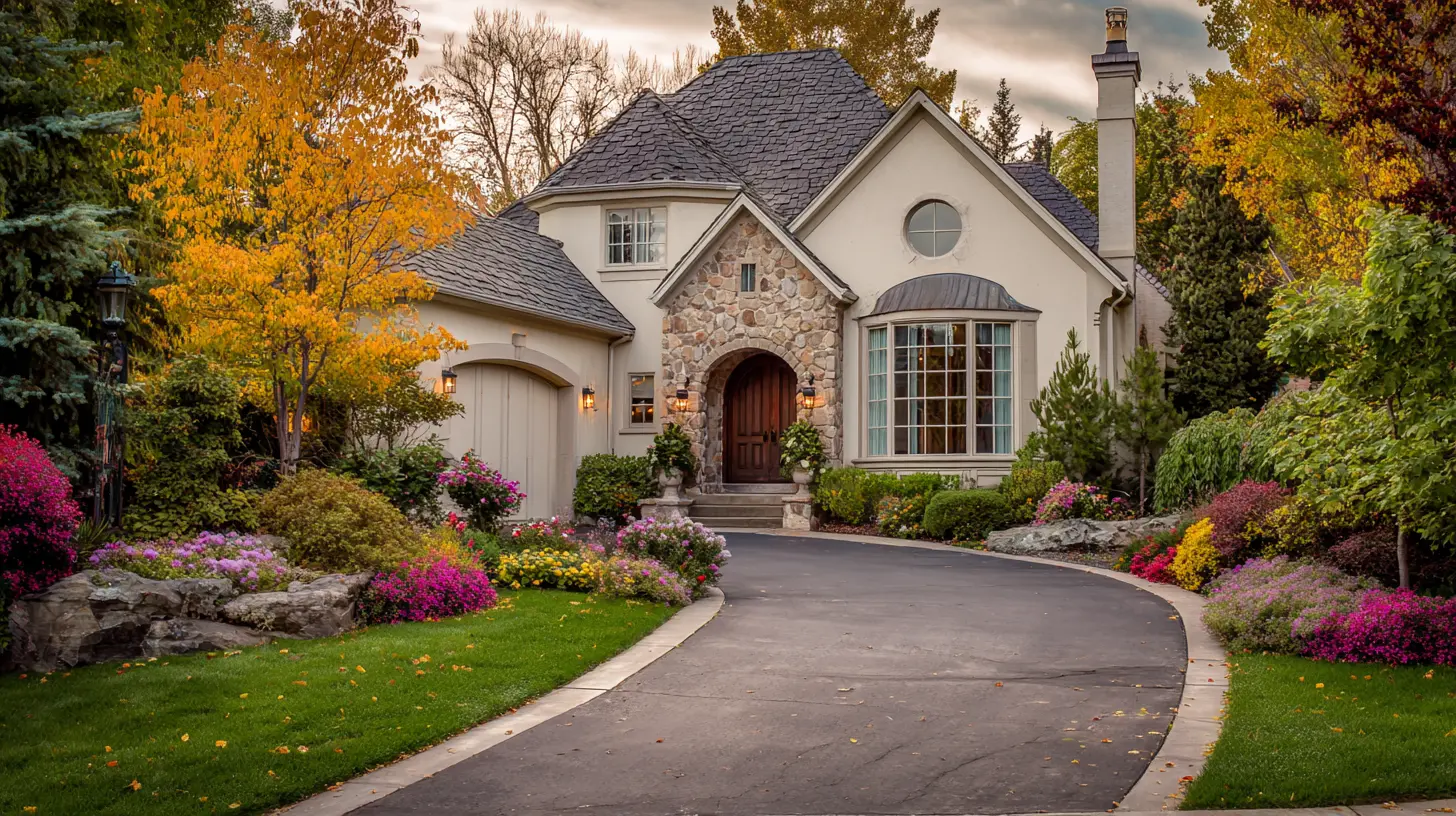
Most sellers ignore the ground beneath their feet, but the driveway and walkway are the red carpet to your home. Cracks in the concrete are not just ugly; they are a liability flag. Buyers see a crack and think "foundation issues," even if the crack is completely superficial.You have two options here: repair or hide. For small cracks, use a concrete crack filler. It is cheap and effective. For larger, uneven areas, you might be tempted to resurface, but that can be expensive. A more practical trick is to power wash the entire surface first. You would be amazed at how much grime, oil, and moss accumulates. A clean, bright driveway looks like new even if it is thirty years old.
If you have a paver walkway, pressure washing is non-negotiable. But also check for weeds growing between the pavers. Pull them out and use polymeric sand to fill the gaps. This locks the pavers in place and prevents weeds from returning. It is a detail that makes the walkway look professionally installed.
For driveways with stubborn oil stains, do not just paint over them. Use a degreaser, scrub it in, and rinse. If the stain remains, you can use a concrete cleaner specifically designed for oil. Avoid the trap of painting the whole driveway with a fresh coat of paint. It never looks right, it chips quickly, and buyers see it as a band-aid. They want to see the actual material, clean and intact.
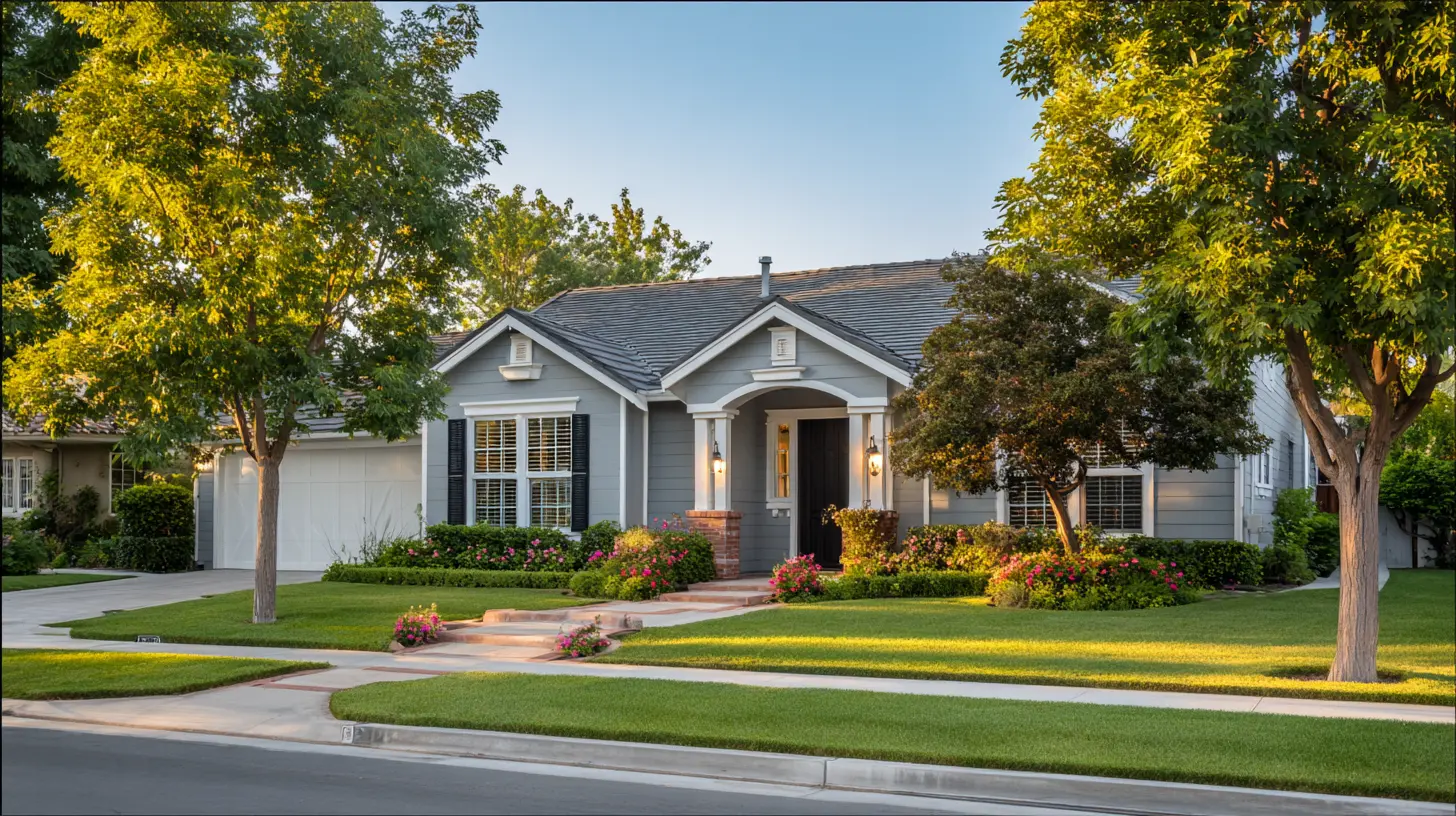
Lighting: The Forgotten Hour
Curb appeal is not just for daytime. Many showings happen in the late afternoon or evening, especially during the fall and winter months when the sun sets early. Exterior lighting is your best friend, and it is the most underutilized tool in the sellers toolbox.The goal is not to flood the yard with harsh light. It is to create a warm, inviting glow that highlights the architecture. Start with the front porch light. It should be bright enough to illuminate the door handle but not so bright that it washes out the door color. Use a warm LED bulb (2700K to 3000K). Avoid the cool, blue-white bulbs that look like a hospital corridor.
Next, consider path lights along the walkway. These do not need to be expensive solar stakes. They just need to be consistent. If you have a dark walkway, buyers will hesitate. They will worry about tripping, and that worry distracts them from the house. Low-voltage landscape lighting aimed at the trees or the exterior walls creates depth. It makes the house look larger and more established.
One trick that works well is placing a light inside the house on a timer, visible from the street. A warm lamp in the living room or a light in the kitchen window makes the home feel occupied and cozy. It tells the buyer, "People live here and they are happy." It sounds silly, but it works. A dark house at dusk looks abandoned.
The Garage Door: The Elephant in the Room
The garage door is often the largest single surface on the front of the house, and it is the most frequently ignored. If your garage door is dented, faded, or has peeling paint, it undoes all the good work you did on the front door.You do not need to replace the entire garage door unless it is structurally damaged. A thorough cleaning and a fresh coat of paint can transform it. If you have a metal door, use a high-quality exterior paint that is designed for metal. If it is wood, sand and repaint. The color should complement the siding but does not need to match exactly. A white garage door on a gray house looks clean. A dark charcoal door on a white house looks modern.
Here is a nuance that many miss: the garage door hardware. The handles and hinges on the exterior of the door are purely decorative, but they add a lot of character. Replacing cheap plastic handles with cast metal ones adds a custom, high-end look for under fifty dollars. Also, check the weather stripping at the bottom of the door. If it is cracked or missing, replace it. It seals out water and pests, and it looks tidy.
One common mistake is leaving the garage door open during a showing. Never do this. It exposes your clutter, your tools, and your storage system. It also makes the house look like a workshop, not a home. Keep the door closed, clean, and painted.
The Roof and Gutters: The Overhead Inspection
Buyers are not stupid. They will look up. A roof that has missing shingles or dark, mossy patches is a red flag that is impossible to ignore. You cannot hide a bad roof. But you can clean it.Moss and algae on the roof are common in damp climates. They are not just ugly; they can lift shingles and cause water damage. A professional roof cleaning service can remove this without damaging the shingles. If you are doing it yourself, do not use a pressure washer at high pressure. It will blast off the granules and shorten the life of the roof. Use a soft wash method or a gentle spray with a cleaning solution.
Gutters are the same. Clogged gutters with leaves spilling over the edge look terrible and suggest poor maintenance. Clean them out and ensure they are securely attached to the fascia. While you are up there, check the downspouts. They should direct water away from the foundation. If they are dumping water right next to the walkway, buyers will see the erosion and worry about the basement.
A subtle but effective trick is to paint the gutters to match the trim. If they are a mismatched color, it draws the eye to the line where the roof meets the walls. A monochromatic look is cleaner and makes the house look taller.
The Mailbox and House Numbers: Small Details, Big Impact
Real estate is a game of details. The mailbox and house numbers are the jewelry of the exterior. They are small, but they are seen up close.A rusted, leaning mailbox screams neglect. Replacing it is simple and inexpensive. But do not just buy any white plastic box. Look for a style that matches the architecture of the home. If you have a craftsman bungalow, a black metal box on a wooden post works. If you have a modern home, a sleek stainless steel or matte black box is better.
House numbers are the same. They need to be visible from the street, not just for buyers, but for emergency services. If they are old, faded, or in a script font that is hard to read, replace them. Modern, sans-serif numbers in a contrasting color are the safest bet. Make sure they are level and securely attached. A crooked house number is one of those things that buyers notice subconsciously, and it creates a feeling of sloppiness.
The Front Porch: Creating a Lifestyle Vignette
The porch is the space where you can tell a story. It is not just a place to stand; it is a lifestyle statement. Buyers are buying a life, not just a building. A well-styled porch says, "Sit here with a cup of coffee in the morning. Rock on this chair in the evening."Do not overcrowd it. You want to suggest the possibility of relaxation, not show that you have nowhere to store your furniture. A simple bench, two chairs, or a single bistro set is enough. Add one or two pots of greenery or flowers. Do not use plastic plants. They look cheap and dusty. Real plants, even if they are just simple ferns, add life.
The rule of odd numbers applies here. Three pots, not two. One bench, not two chairs and a table and a lamp. Keep it minimal. The goal is to make the porch look larger than it is.
Another mistake is leaving old door mats. A dirty, worn mat tells the buyer you do not care. Buy a new, thick coir mat that says "Welcome" or has a fun pattern. It is a low-cost item that gets stepped on by every buyer, and it sets the tone for the interior.
The Siding and Paint: The Big Picture
If your siding is in rough shape, you have a bigger problem than curb appeal. But often, the siding is fine; it is just dirty. Vinyl siding gets a gray, streaky film over time. A professional power wash can bring it back to life. For wood siding, a fresh stain or paint is a bigger investment, but it is often the highest ROI exterior improvement you can make.Here is the expert advice: do not choose a paint color that is too trendy. You might love a bright yellow, but the buyer might hate it. Stick to neutral, timeless colors. Greige, warm white, light gray, or a muted sage green are safe bets. The goal is to appeal to the widest audience possible. You are not selling your personal taste; you are selling a blank canvas.
Do not forget the trim. White trim against a colored siding is classic. But if your trim is peeling, it ruins the whole effect. Repainting the trim is a weekend project that changes the entire look of the house. It frames the windows and doors and gives the house a crisp, finished edge.
The Side Gate and Backyard View
Do not forget the side of the house. Buyers will walk around the perimeter. A sagging gate or a pile of wood stacked against the side wall is a turn-off. Ensure the gate swings freely and latches properly. If it is broken, fix it. It is a security issue, and buyers notice it.Also, think about what buyers see when they look through a side window. If the view from the street includes a messy backyard or a pile of junk, it compromises the front curb appeal. You might need to stage the backyard too, at least from the sightlines. A clean patio with a simple table goes a long way.
The Power of Subtraction
One of the hardest things for homeowners to do is to remove things. But subtraction is often more powerful than addition. Remove the garden gnomes, the wind chimes, the political signs, and the religious decorations. Remove the old bicycles and the kids' toys. Remove the overflowing planters and the decorative rocks that have been there since the 70s.The goal is to make the house look like a blank canvas that a buyer can project their own life onto. When they see your personal items, they feel like guests in your home, not potential owners. When they see a clean, neutral space, they can imagine their own furniture and their own style.
A great trick is to walk across the street and take a photo of your home with your phone. Look at the photo critically. What is the first thing you see? If it is the mailbox, the garage door, or the clutter, you have your answer. Then, walk up to the door and look back at the street. What do you see from the buyer's perspective? This exercise reveals blind spots you have ignored for years.
Timing and Seasonal Adjustments
Curb appeal is not static. It changes with the seasons. In the spring, the focus is on fresh blooms and green grass. In the fall, it is about raking leaves and cleaning up the garden beds. In the winter, it is about clearing snow and ice from the walkway and ensuring the porch light is bright.If you are selling in the winter, do not despair. A bare landscape can look clean and architectural. Use evergreen plants in pots to add color. A simple wreath on the door is always a classic choice.
If you are selling in the summer, keep the lawn mowed and watered. Brown patches are a killer. If you have a sprinkler system, make sure the heads are adjusted so they do not water the sidewalk. A wet sidewalk is a hazard and looks sloppy.
The Cost-Benefit Analysis
Let us talk money. You do not need to spend ten thousand dollars on landscaping. A budget of five hundred to one thousand dollars is usually enough to cover paint, hardware, mulch, plants, and lighting. This is one of the highest ROI investments in real estate.Compare that to the cost of a price reduction. If your home sits on the market for an extra thirty days because of poor curb appeal, you will likely drop the price by several thousand dollars. A small upfront investment in the exterior is a fraction of that loss.
However, do not overspend on the exterior if the interior is outdated. Buyers will forgive a dated kitchen if the exterior is clean and inviting. They will not forgive a gorgeous interior if they cannot get past a rotting front porch. The exterior is the gatekeeper. It gets them in the door. Once they are inside, the interior does the heavy lifting.
Common Misconceptions
There is a myth that you need to mow the lawn right before every showing. That is true, but it is not enough. Buyers are looking for signs of life, not just a trimmed lawn. They want to see that the home is being actively maintained.Another misconception is that you should hide all signs of habitation. That is wrong. A home that looks sterilized feels cold. You want it to look lived in, but not messy. A pair of clean shoes by the door, a neat stack of books on the porch, a dog bowl that is clean and out of the way. These are signs of a happy home.
Some sellers think that adding a water feature or a fountain will impress buyers. It might, but it also adds maintenance. If the fountain is dirty or the pump is loud, it is a negative. Only add a water feature if it is already there and working perfectly. Do not install one just for the sale.
Final Checklist for Success
Before you list your home, do a final walkthrough. Start at the street. Look at the house number. Is it visible? Look at the lawn. Are the edges trimmed? Look at the walkway. Is it clean and free of weeds? Look at the porch. Is it swept? Look at the door. Is the hardware shiny? Look at the windows. Do they have clean glass and fresh trim?If you can answer yes to all of those, you have done your job. Curb appeal is not about perfection. It is about showing respect for the buyer's time and attention. It is about saying, "I took care of this home, and you can too." That message is powerful, and it is the fastest way to get an offer.
Selling a home is emotional, but the exterior is a rational decision for the buyer. They are looking for signs of hidden costs. If the outside looks solid, they assume the inside is solid. If the outside looks neglected, they assume the worst. Make the front of your home tell the right story, and you will see the difference in the speed and the price of your sale.
all images in this post were generated using AI tools
Category:
Selling A HomeAuthor:

Lydia Hodge