Finding the Right Neighborhood for Your Downsized Life
23 January 2026
So, you're ready to downsize. Maybe the kids moved out, or you're just tired of cleaning rooms you never use. Whatever your reason, downsizing is a game-changer. But have you thought about where you want to live next? Picking the right neighborhood is just as important as picking the right house—maybe even more.
You don’t want to go from mowing a huge lawn to being stuck in a concrete jungle (unless that’s your thing). The point is, your surroundings will shape how enjoyable your downsized life really is. Let’s talk about what makes a neighborhood perfect for your next chapter. 
Know What You Want From Your New Lifestyle
Before you start clicking through real estate listings, ask yourself: What do I really want out of this move?- Do you want a walkable neighborhood with cafes and parks?
- Are you looking for a quiet, suburban feel?
- Do you need to be close to family, hospitals, or other amenities?
- Is a tight-knit community important to you?
Think about your daily life. You’re downsizing for a reason—make sure the new neighborhood supports that. 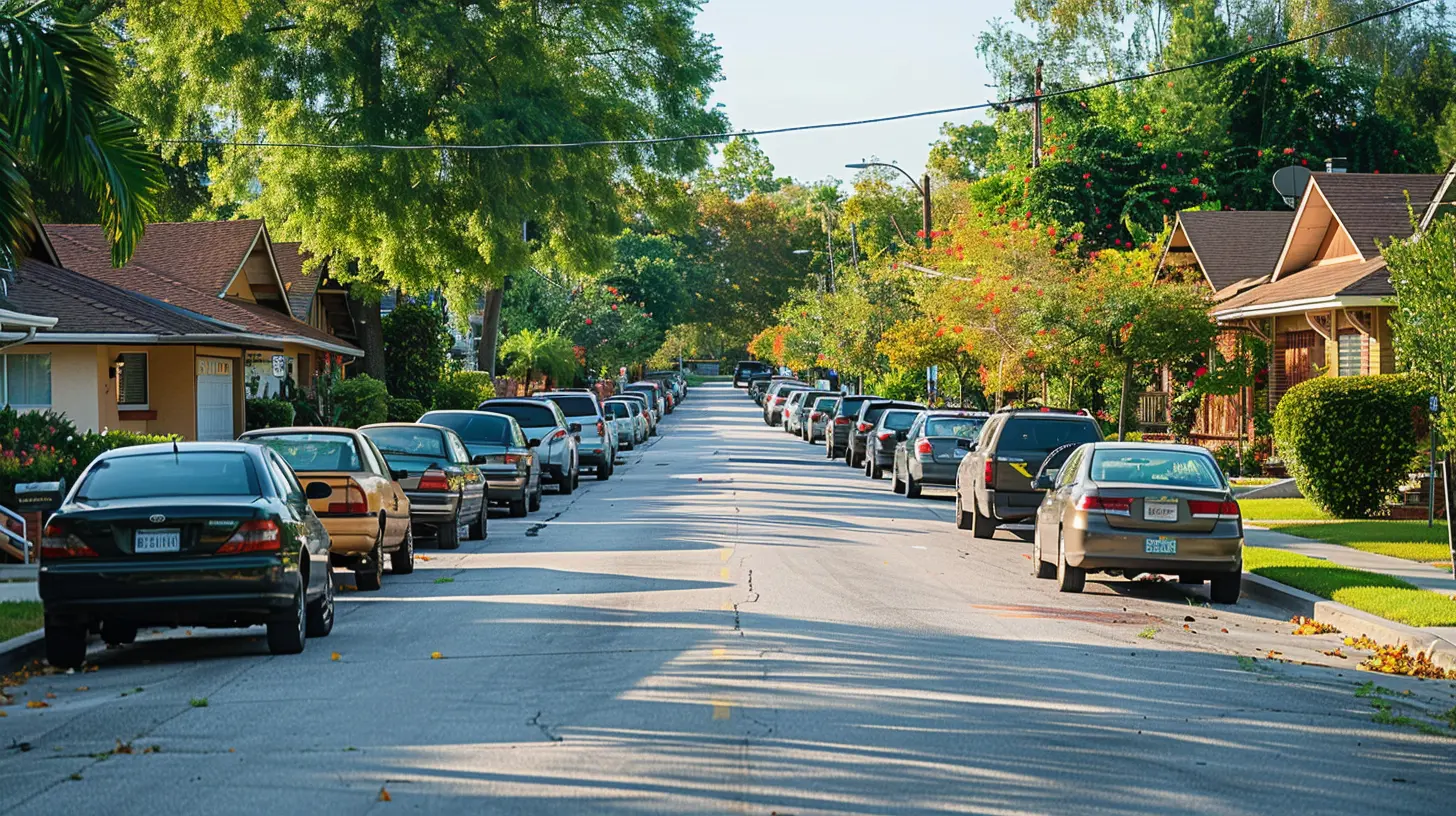
Walkability: Can You Get Around Without a Car?
When you’re downsizing, chances are you want less hassle, not more. A walkable neighborhood can make life easier. Imagine being able to walk to a coffee shop, grocery store, or your favorite restaurant without fighting for parking spots or dealing with traffic.Look at areas with:
✔️ Sidewalks and pedestrian-friendly streets
✔️ Shops, cafes, and essential services nearby
✔️ Safe, well-lit paths for walking and biking
Check out Walk Score (walkscore.com) to see how pedestrian-friendly different neighborhoods are. If ditching the car sounds like heaven, this could be a game-changer. 
Cost of Living: Will Your Dollars Stretch or Shrink?
Downsizing should come with financial perks—lower mortgage, fewer maintenance costs, and less utility expense. But if you’re moving into a more expensive area, that might not be the case.Think about:
- Property taxes—Some areas have sky-high taxes that could eat into your savings.
- HOA fees—If you’re moving into a condo or gated community, check the monthly fees.
- Everyday expenses—Groceries, gas, dining out—some neighborhoods are naturally pricier than others.
A dream location doesn’t mean much if it drains your bank account. 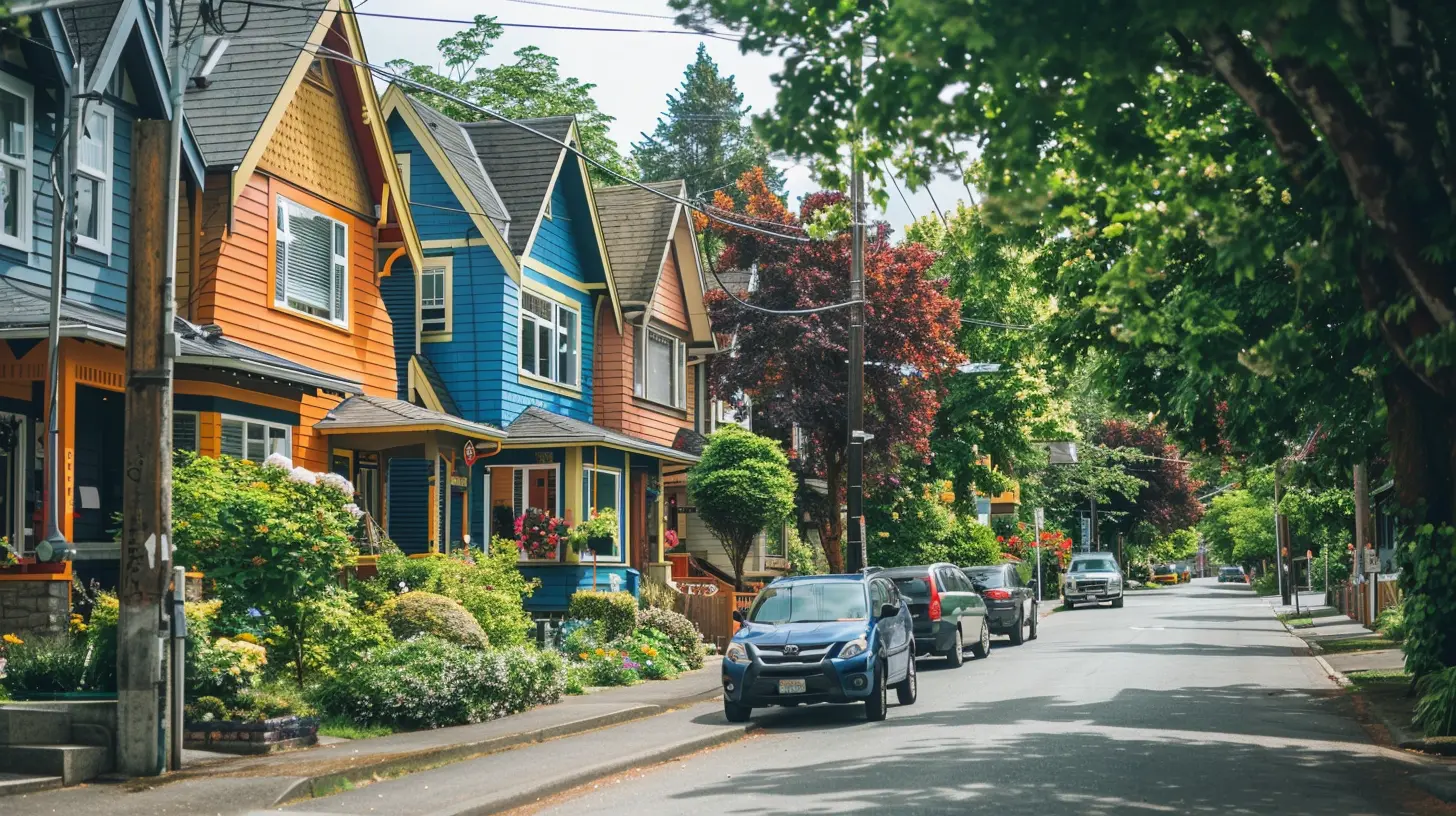
Access to Healthcare: Can You Get Medical Care When You Need It?
As much as we like to think we’ll be healthy forever, reality says otherwise. Being close to good healthcare facilities should be non-negotiable, especially if you have existing conditions or are moving into retirement.Look for:
✔️ Hospitals and urgent care centers nearby
✔️ Pharmacies within a short drive (or walk)
✔️ Specialists you may need access to
You don’t want to be miles away from medical care when you really need it.
Sense of Community: Will It Feel Like Home?
One of the biggest downsides of moving is leaving behind familiar faces. But choosing the right neighborhood can help you find that sense of belonging again.Consider neighborhoods with:
- Active community centers—Some areas have clubs, events, and classes for residents.
- Local events—Farmers markets, street fairs, and holiday parades are all signs of a lively community.
- Friendly neighbors—Visit the area at different times of the day and see how people interact.
If you’re downsizing, chances are you want to simplify your life—but that doesn’t mean sacrificing human connection.
Safety and Crime Rates: Is It a Secure Place to Settle?
A lower-maintenance home doesn’t mean much if you don’t feel safe living there. Before signing on the dotted line, check the crime rates in your potential neighborhood.Here’s how:
✔️ Look up crime stats on websites like NeighborhoodScout or CityProtect.
✔️ Check out local Facebook groups or Nextdoor—residents will spill the truth.
✔️ Drive through the area at night—does it feel safe?
Your peace of mind matters. Don’t ignore those gut feelings.
Proximity to Family and Friends: Is It Too Far?
Living in a new place is exciting—until you realize you’re too far from your loved ones.Think about:
- How often will you want to visit family?
- Will long drives or flights be practical?
- Are there social opportunities nearby so you don’t feel isolated?
If downsizing means you’ll rarely see your favorite people, it might not be worth it.
Public Transportation: Can You Get Around Without the Hassle?
If you don’t plan to drive as much, having access to reliable public transportation is a must. Some cities offer:✔️ Bus and train routes with frequent stops
✔️ Senior transport services for easy mobility
✔️ Rideshare options that are easily available
Check if getting from Point A to Point B will be a struggle before committing to a neighborhood.
Noise Levels: Will It Be Peaceful or Chaotic?
The last thing you want after downsizing is moving into a noise warzone. Imagine settling into your cozy new home, only to realize you live under a flight path or next to a highway. No thanks.Things to consider:
✔️ Visit at different times—mornings, evenings, weekends.
✔️ Check for bars, nightclubs, or train tracks nearby.
✔️ Look at Google Maps—major roads and airports = potential noise issues.
Quiet is priceless. Make sure your new neighborhood offers the peace you’re looking for.
Future Growth: Will Things Change in a Few Years?
A neighborhood might feel perfect today, but what about five years from now?Check these potential red flags:
- New developments? Empty lots could mean construction noise—and rising costs.
- Declining infrastructure? If roads, parks, or public spaces look neglected, it could mean trouble down the line.
- Rising housing prices? Could you be priced out if the area booms?
While no one can predict the future, do your best to guess where the neighborhood is headed so you don’t end up regretting the move.
Your Downsized Life Should Feel Like an Upgrade
Downsizing isn’t just about getting rid of extra square footage—it’s about simplifying and improving your quality of life. The right neighborhood can make all the difference.Think about what truly matters to you—walkability, affordability, community, safety, and amenities. Take your time, visit in person, and trust your instincts.
Because at the end of the day, your new home should be more than just smaller—it should be better.
all images in this post were generated using AI tools
Category:
DownsizingAuthor:

Lydia Hodge
Discussion
rate this article
2 comments
Angie Becker
Thank you for this insightful article! Your tips on selecting the ideal neighborhood for downsizing are incredibly valuable. It's essential to consider factors like community, amenities, and accessibility to ensure a fulfilling and enjoyable lifestyle in the next chapter.
February 4, 2026 at 2:02 PM
Lydia Hodge
Thank you for your kind words! I'm glad you found the tips helpful for making informed decisions about downsizing.
Dean Jenkins
Thank you for this insightful article! Choosing the right neighborhood for a downsized life can truly enhance one’s quality of living. Your tips on prioritizing amenities and community vibes are particularly helpful. I look forward to exploring these suggestions further!
January 24, 2026 at 5:26 AM
Lydia Hodge
Thank you for your kind words! I'm glad you found the tips helpful and wish you the best in your neighborhood search!