Urban Green Spaces: Enhancing Property Value and Quality of Life
16 January 2026
When was the last time you took a stroll through a park and just breathed it all in? The fresh air, the rustling trees, the birds chirping—there’s something magical about it. But did you know that these green spaces do more than just provide a nice picnic spot? They can actually boost property value and improve our quality of life in ways you might not have imagined.
Let’s take a deep dive into why urban green spaces are the secret ingredient to a thriving real estate market and a happier, healthier community. 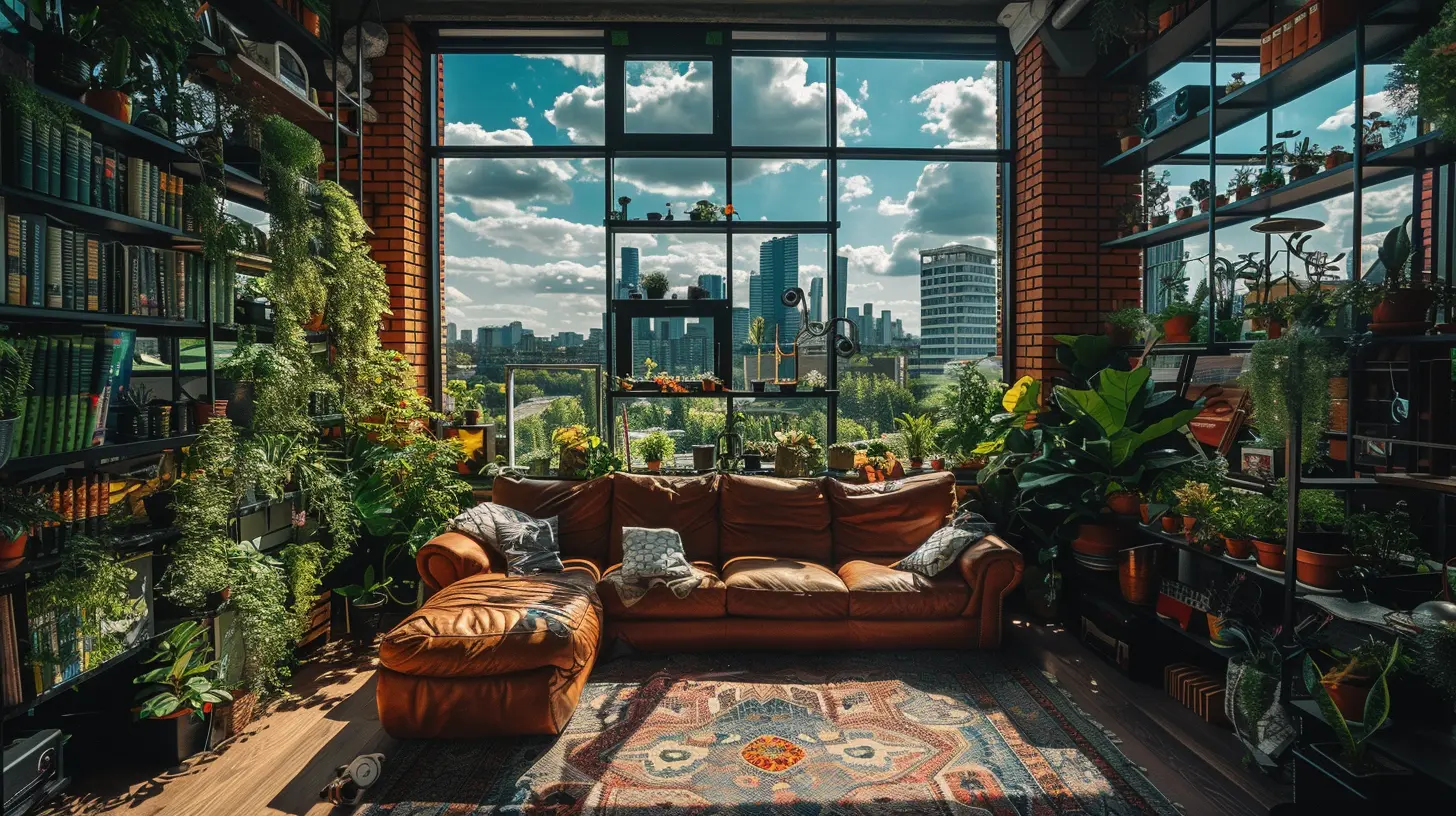
🌱 The Green Goldmine: How Urban Green Spaces Increase Property Value
If you’re in the real estate game—whether buying, selling, or just keeping an eye on trends—you’ve probably noticed a pattern. Homes near parks, gardens, and green areas tend to be worth more. But why?1. Curb Appeal on Steroids
People love a good first impression. A home surrounded by lush greenery just looks better. It’s like adding a free Instagram filter to your property.2. Premium Pricing for Proximity to Parks
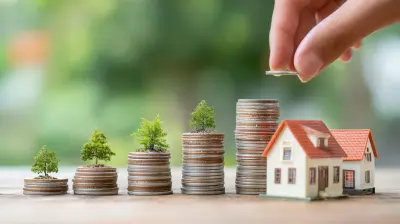
Studies show that properties near parks and green spaces can see a price boost of up to 20%. Buyers are willing to pay extra for access to nature, even in the middle of a bustling city.3. The View Matters
A park-facing apartment beats one overlooking a concrete jungle any day. A scenic view adds desirability, making homes sell faster—and for more.4. Lower Crime Rates = Higher Property Values
Believe it or not, neighborhoods with well-maintained green spaces tend to have lower crime rates. Greenery fosters community engagement, meaning more eyes on the street and safer surroundings.
🌿 Health and Happiness: The Life-Changing Perks of Urban Green Spaces
Owning a property near a luscious green space isn’t just good for your wallet—it’s good for your well-being too.1. Say Goodbye to Stress
Ever noticed how a walk in the park instantly makes you feel better? That’s because greenery reduces stress levels, lowers blood pressure, and even helps fight anxiety.2. Mother Nature = Free Gym Membership
Jogging trails, open fields, and bike paths encourage physical activity. And the best part? It’s all free! No monthly fees, no crowded machines—just you and the great outdoors.3. Cleaner Air, Healthier Living
Trees and plants act as nature’s air filters, sucking up pollutants and pumping out fresh oxygen. Living near green spaces means breathing in cleaner air and enjoying a healthier lifestyle.4. Boosted Brainpower
Studies show that spending time in nature improves focus and cognitive function. So, if you’re working from home, taking a quick park break might just make you a productivity machine.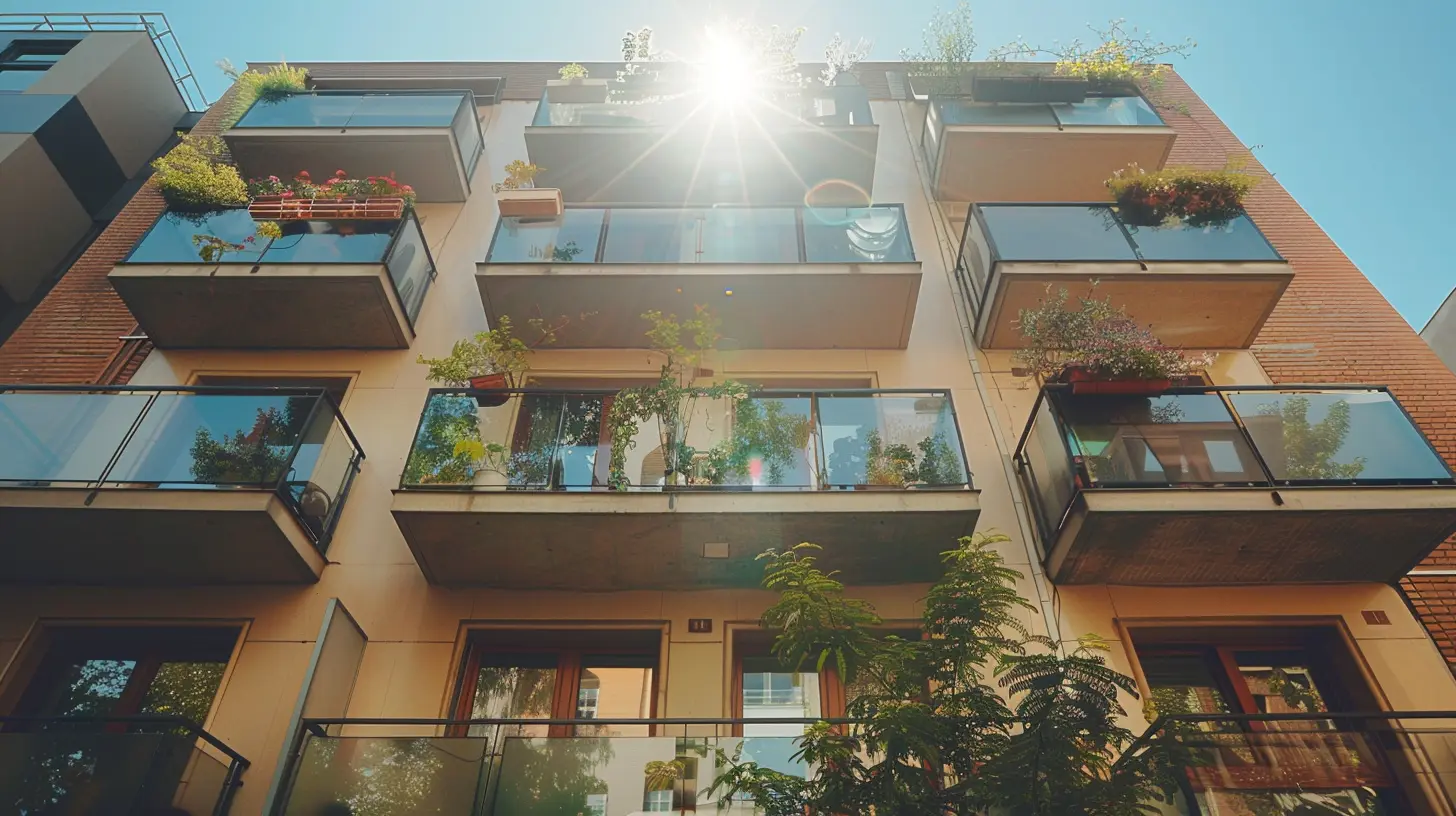
🌎 Environmental Benefits: Why Cities Need More Green Spaces
Urbanization is great, but all that concrete comes with a cost. Green spaces help counteract some of the negative effects of city life.1. Cooling Down the Urban Heat Island Effect
Cities tend to be significantly hotter than surrounding rural areas because of all the concrete and asphalt. Green spaces act like natural air conditioners, keeping things cooler.2. Better Water Management
Parks and gardens help absorb rainwater, reducing flooding and preventing stormwater from overwhelming drainage systems. That means fewer puddles and fewer headaches after a downpour.3. Wildlife Gets a Home Too
Birds, bees, and butterflies aren’t just cute; they’re essential for the ecosystem. Green spaces provide natural habitats, keeping local wildlife populations thriving.4. Carbon Absorption for a Greener Tomorrow
Cities are major contributors to carbon emissions, but trees help absorb CO2, making urban areas more sustainable in the long run.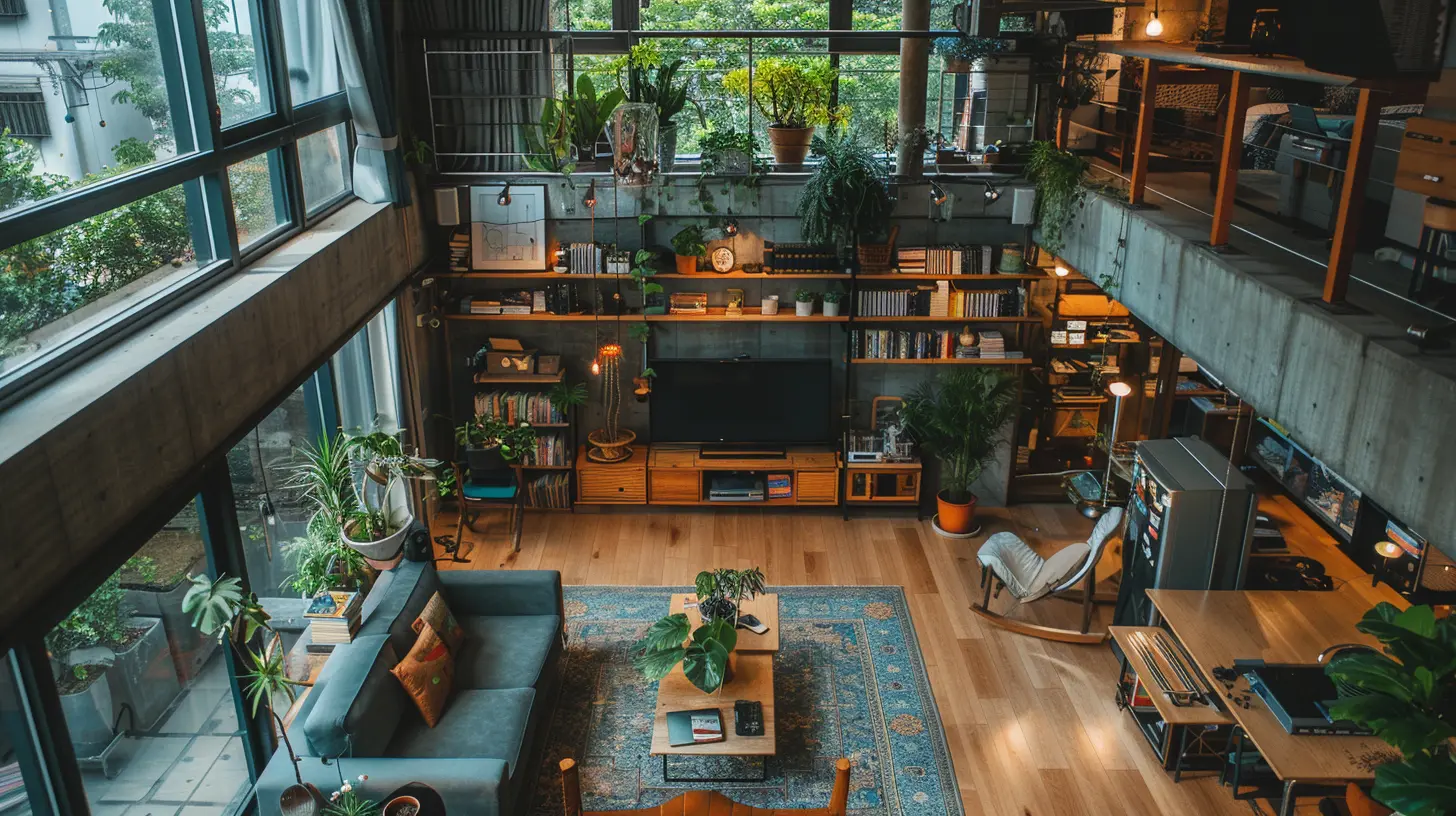
🏠 Real Estate Trends: The Shift Toward Green Living
Buyers and renters are increasingly prioritizing green spaces when choosing a home. What does this mean for property developers and investors?1. Green Amenities Sell Faster
New developments with rooftop gardens, community parks, and tree-lined streets are flying off the market. The greener the space, the higher the demand.2. Sustainable Living is the Future
Eco-friendly buildings with green roofs, vertical gardens, and energy-efficient designs are becoming the norm rather than the exception.3. Work-from-Home Culture is Boosting Demand
With more people working remotely, there’s a growing need for homes near parks. Who wouldn’t want to swap a stuffy office for an outdoor workspace?4. Developers Are Catching On
Major cities are investing in green infrastructure, realizing that parks and gardens make neighborhoods more desirable (and profitable).🌳 How to Maximize Property Value with Green Spaces
Whether you’re a homeowner looking to increase value or a real estate investor eyeing the next hot spot, here are some tips to make the most of urban greenery.1. Choose Properties Near Parks and Trails
If you’re house-hunting or investing, prioritize locations with easy access to green spaces. They’re a safe bet for long-term value appreciation.2. Incorporate Greenery into Your Property
No park nearby? No problem! Plant a garden, add potted plants, or even create a small rooftop green space. It all adds up.3. Advocate for More Green Spaces in Your Community
Sometimes, the best way to boost property value is to get involved. Join community initiatives pushing for more parks and urban gardens.4. Highlight Green Features When Selling
Selling your home? Make sure buyers know about nearby parks, tree-lined streets, and sustainable features. These details can tip the scales in your favor.🌱 Final Thoughts
Urban green spaces are more than just pretty additions to a cityscape. They enhance property value, improve mental and physical well-being, and make communities safer and more vibrant. In an era where city life can sometimes feel overwhelming, these green sanctuaries offer a much-needed escape.So, whether you’re looking to buy, sell, or simply enjoy your surroundings, remember this—real estate and nature go hand in hand. And if you ever needed an excuse to take a walk in the park, well, consider this your invitation.
all images in this post were generated using AI tools
Category:
Urban LivingAuthor:

Lydia Hodge
Discussion
rate this article
2 comments
Shannon Hubbard
Urban green spaces significantly enhance both property value and quality of life by promoting environmental sustainability, improving mental well-being, and fostering community engagement. As cities prioritize green initiatives, investing in properties near these areas becomes increasingly advantageous for homeowners and investors alike.
January 24, 2026 at 5:26 AM
Lydia Hodge
Thank you for your insightful comment! I completely agree that urban green spaces play a crucial role in enhancing property value and overall quality of life. Their benefits are undeniable as cities continue to prioritize sustainable development.
Colin McFadden
Who knew that adding a park could boost property values faster than a fresh coat of paint? Urban green spaces: the only place where your garden gnome can mingle with fellow gnomes and homeowners can pretend they have a 'backyard' without the upkeep!
January 16, 2026 at 11:21 AM
Lydia Hodge
Absolutely! Urban green spaces offer a unique blend of aesthetics and community, enhancing property values while providing much-needed respite for residents. Gnome gatherings are just an added bonus!