What to Expect from HOA Meetings as a Homeowner
22 June 2026
Ah, the great mystery of HOA meetings. If you've recently bought a home in a community governed by a homeowners association—or are about to—chances are, someone has already dropped those three little letters into conversation: H-O-A.
You smile. You nod. You pretend you’ve got it all figured out.
But deep down, you’re wondering: What really happens in those HOA meetings? Is it a secret society? A neighborhood courtroom drama? A wine-and-cheese gathering of friendly faces?
Let’s throw open the doors and shed light on that HOA meeting room. By the end of this article, you’ll feel confident, informed, and maybe even a little excited to attend your next HOA meeting—not just as a homeowner, but as a member of your community’s voice.
The Heartbeat of the Neighborhood: What Is an HOA Meeting, Really?
Picture this: your neighborhood is a living, breathing organism. The homes are its bones, the people are its spirit, and the HOA? That’s the heartbeat. It's what keeps everything moving in rhythm.An HOA meeting is essentially the pulse check—where decisions are made, questions are answered, and the neighborhood’s future is gently (or not-so-gently) steered forward.
You might be thinking, Okay, cool metaphor. But what’s actually discussed?
Glad you asked.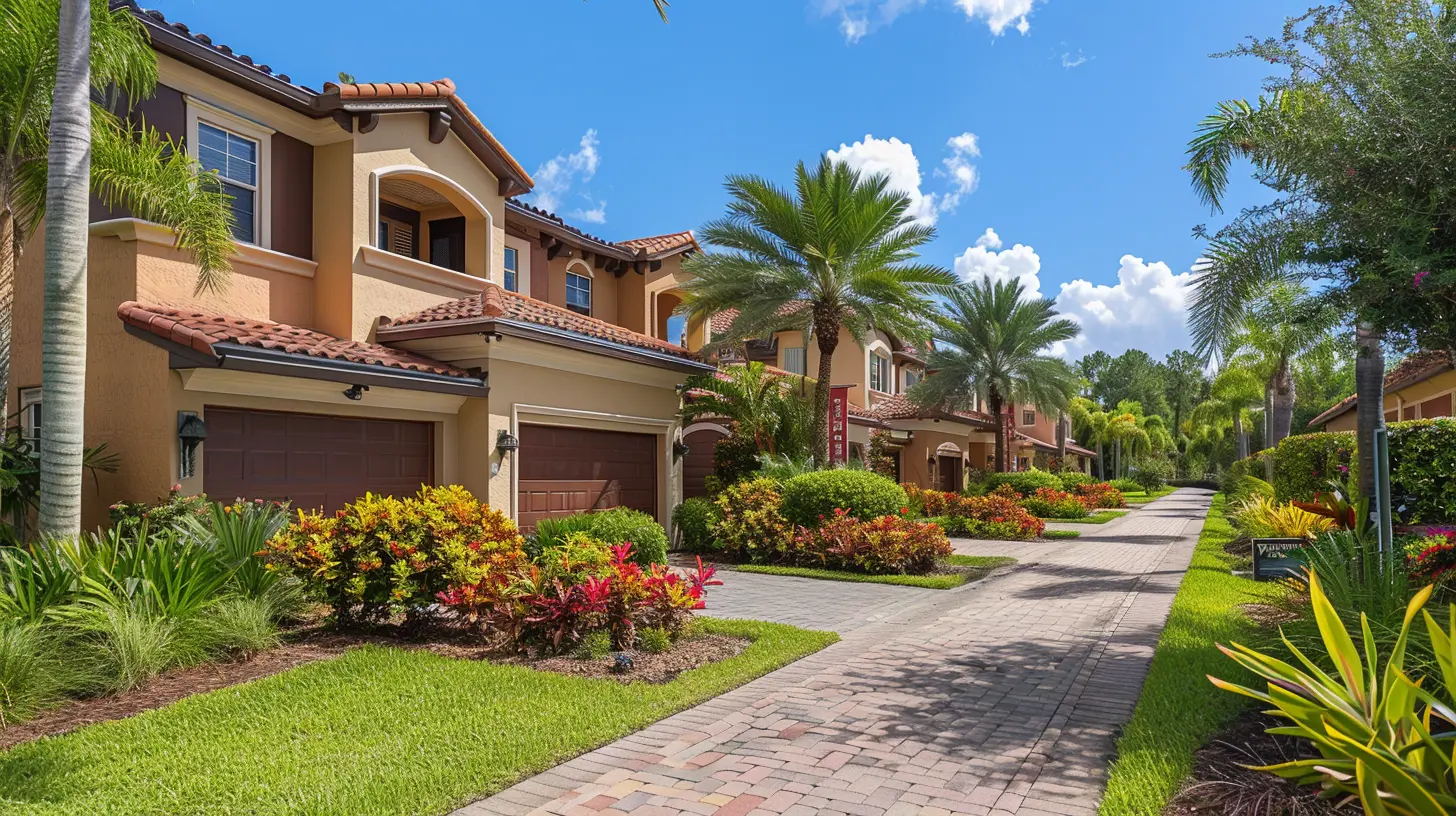
Expect Some Structure: The Agenda is Your Roadmap
Before you even walk in the door, there’s something key you’ll want to get your hands on: the meeting agenda.Think of the agenda like a table of contents for your favorite book—except the story is one that affects your daily life.
It usually includes:
- Approval of previous meeting’s minutes
- Budget and financial updates
- Maintenance updates & upcoming projects
- Rule changes or enforcement issues
- Architectural review requests
- Community events & concerns
- Open forum for homeowner input
Each point gets its moment in the spotlight. So whether someone’s asking for a fence height exception or reporting a pothole on Maple Street, the floor is shared and the issues addressed.
Roll Call! Who Shows Up To These Things?
At first, you might assume HOA meetings are just for board members or some secret club you missed the invite to. Not true.Here’s who you’ll usually see:
- Board members: elected volunteers making big-picture decisions
- Property manager: the paid pro handling day-to-day operations
- Committee members: volunteers handling things like landscaping or social events
- Homeowners: yep, that’s you!
You don’t need permission to attend. These meetings are open, public, and designed for you to be involved. You may not have a vote unless you’re a board member, but your voice? Still vital.
Expect a Bit of Politics… and a Lot of Passion
Let’s be honest—when money, lawns, fences, and shared spaces are on the table, so are opinions. Sometimes, emotions run high.You’ll hear passionate debates about repainting mailboxes or whether holiday lights should come down by January 5th or January 15th. And yes, it might sound small. Until it’s your mailbox, your lights, your budget.
So go in expecting a few spirited conversations. That’s okay. That’s democracy at the cul-de-sac level.
Just know that most HOAs do their best to stick to Roberts Rules of Order (a fancy way of saying “let’s be respectful and take turns”).
Money Talks: Budget Reviews and Special Assessments
If you were hoping for whispers of secret neighborhood scandals, bad news: one of the juiciest parts of HOA meetings is cold, hard cash.The treasurer or property manager will likely provide a financial update. You’ll hear about:
- How your dues are being spent
- Reserve funds (the rainy-day money)
- Upcoming maintenance costs
- Delinquent accounts
- Potential assessments (unexpected bills for big-ticket repairs)
It might sound dry, but this stuff matters. It’s your money, your investment, your future resale value.
So don’t tune out. Ask questions. Understand where the dollars are going.
Rules, Rules, Rules: Changes & Violations
“Ugh, the HOA won’t let me paint my house neon green!”We’ve all heard stories like that. But believe it or not, those bylaws and CC&Rs (Covenants, Conditions, and Restrictions) really do shape the charm and value of your neighborhood.
During meetings, board members often review:
- Rule changes or additions
- Common violations (think overgrown grass or noisy dogs)
- Enforcement actions and fines
Homeowners can usually voice concerns or request amendments. Want to propose a community compost bin or a new pet policy? This is your moment.
Remember: your neighbors aren’t trying to squash your freedom. They’re (hopefully) working to keep the community beautiful and property values rising.
The Elephant in the Room: Conflict Resolution
Let’s talk about drama. Yes, you might witness a spirited disagreement (or three). But believe it or not, HOA meetings are often where conflicts are resolved—not just created.Say your neighbor’s tree is shedding leaves on your driveway. Or that barking dog keeps waking your baby. Instead of passive-aggressive sticky notes or side-eye at the mailbox, bring it to the meeting.
During the Open Forum section, homeowners are allowed to raise questions, voice complaints, or suggest improvements.
The board can’t solve every problem instantly. But raising issues respectfully in this public space? It shines a light on concerns and often opens the door for real change.
Don’t Just Watch—Participate!
Have a vision for a garden in the common area? Love planning events? Want to help improve community safety?Attending meetings is just the start. Joining a committee—or even running for a board seat—can give you direct influence over your neighborhood’s future.
These roles are usually filled by volunteers, and new blood is always welcome. You don’t need to be a real estate expert or financial wizard. You just need to care.
Because HOA meetings aren’t just about fences and fees. They’re about community. Collaboration. Connection.
Frequency & Format: When and How HOA Meetings Happen
Most communities hold regular board meetings—monthly, quarterly, or biannually depending on the HOA. You’ll usually be notified in advance via email, newsletter, or that little note tucked into your mailbox.And thanks to the digital age, many meetings are now held virtually via Zoom or similar platforms. So you can attend in your pajamas. Score.
Bonus tip: There’s often an Annual Meeting once a year that covers elections and major updates. Attendance is usually strongly encouraged—and for good reason.
What to Bring (Besides Snacks)
Okay, you probably don’t need to bring snacks. But here’s what you should come equipped with:- The meeting agenda (read it beforehand!)
- A notebook or phone to jot down notes
- Questions or concerns you might want to raise
- A respectful and open-minded attitude
It’s not school. You won’t be called on. But you’ll get more from the meeting if you show up ready to engage.
How HOA Meetings Benefit You (Even If You Think They're Boring)
Let’s be real: you could spend that hour bingeing Netflix. So why should you care?Because attending HOA meetings means:
- You stay informed about decisions affecting your property
- You can voice concerns and ask questions
- You meet neighbors and build community bonds
- You protect your investment by monitoring how dues are used
Think of it as a monthly tune-up for your most valuable asset: your home.
Closing Thoughts: Be the Neighbor You Wish You Had
HOA meetings get a bad rap sometimes. And sure—they can be tedious. They’re not always glamorous. But they matter.They’re your window into how your community is cared for and governed. They’re your chance to make things better. They’re a reminder that you’re not just living next to people—you’re living with them.
So show up. Speak up. Stay curious. Be kind. Be bold. Be the kind of neighbor who makes the HOA meetings better just by being in the room.
In a world that often feels divided, your neighborhood doesn’t have to be. It starts with something as simple as showing up to a meeting.
The heartbeat of your community is calling. Are you listening?
all images in this post were generated using AI tools
Category:
Hoa GuidelinesAuthor:

Lydia Hodge
Discussion
rate this article
2 comments
Khloe McConkey
This article provides valuable insights into HOA meetings. Understanding the dynamics can make participation less daunting. I'm looking forward to applying these tips to ensure I contribute effectively and make the most of my voice as a homeowner.
August 9, 2026 at 3:12 AM
Lydia Hodge
I'm glad you found the insights helpful! Engaging in HOA meetings can really empower homeowners. Best of luck applying the tips!
Zaylee McVey
HOA meetings can be a mixed bag for homeowners. It's a chance to voice concerns, but also a platform for collaboration. Prepare to engage with neighbors and board members alike. Understand the agenda, and don't hesitate to ask questions. Active participation can lead to a more harmonious community experience.
July 14, 2026 at 12:14 PM
Lydia Hodge
Absolutely, HOA meetings are a great opportunity to both voice concerns and foster collaboration. Being prepared and engaged truly makes a difference in the community.