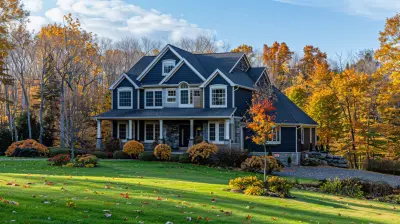
Why Energy-Efficient Windows Are Worth the Investment
20 August 2026
When homeowners think about improving their property, windows rarely top the list. Roofs, kitchens, and bathrooms get the attention. Windows sit there, doing their job quietly, until a draft sneaks in during January or the summer cooling bill climbs to an uncomfortable number. That is usually when people start asking whether energy-efficient windows actually pay for themselves. The short answer is yes, but the longer answer involves a mix of physics, climate, installation quality, and honest expectations about payback periods.
Let me walk you through what energy-efficient windows really do, where they shine, where they fall short, and how to decide if they make sense for your specific situation. This is not a one-size-fits-all upgrade, and understanding the nuances will save you from wasting thousands of dollars on the wrong product.
What Makes a Window Energy-Efficient in the First Place
Most people assume that double-pane glass equals energy efficiency. That is only part of the story. A truly energy-efficient window is a system of components working together. The glass, the spacers between panes, the frame material, the gas filling the gaps, and the way the window seals against the wall all matter.The glass itself is usually treated with a low-emissivity, or low-E, coating. This is a microscopically thin metallic layer that reflects infrared radiation. In the summer, it bounces outdoor heat back outside. In the winter, it reflects indoor heat back into the room. Without low-E coating, double-pane windows still reduce conduction compared to single-pane, but they let a lot of radiant heat pass through. That is why you can sit next to a double-pane window in winter and still feel cold radiating off the glass.
Between the panes, manufacturers often inject argon or krypton gas. These gases are heavier than air, which means they move less inside the sealed space. Less movement means less convection, which means less heat transfer. Argon is the common choice because it offers a good balance of performance and cost. Krypton performs better but costs significantly more, so it usually appears in high-end triple-pane windows where the space between panes is narrower.
The spacer system that separates the glass panes also plays a role. Old aluminum spacers conducted heat efficiently, which created a cold edge around the window and led to condensation. Modern warm-edge spacers use materials like stainless steel or structural foam to reduce that heat loss. It is a small detail, but it affects both comfort and the likelihood of moisture buildup.
Frames matter just as much as glass. Vinyl frames offer good insulation at a low price, but they expand and contract with temperature changes, which can compromise seals over time. Wood frames look great and insulate well, but they require maintenance and can rot if moisture gets trapped. Fiberglass frames are dimensionally stable and strong, but they cost more. Aluminum frames conduct heat terribly, which is why you rarely see them in energy-efficient windows unless they include a thermal break.
The Real Way Energy-Efficient Windows Save Money
Here is where most articles get it wrong. They quote a payback period of five to ten years and call it a day. But the actual savings depend heavily on your climate, your heating and cooling system, and the condition of the windows you are replacing.In a cold climate, the biggest benefit comes from reducing heat loss through conduction and radiation. A single-pane window has an R-value of around one. A good double-pane low-E window with argon reaches an R-value of about four or five. That is a massive improvement. In a home with 20 windows, the difference in heating demand can be substantial.
In a hot climate, the story shifts. The primary enemy is solar heat gain. You want windows that block infrared radiation from the sun while still letting in visible light. Low-E coatings are designed to do exactly this, but the specific coating matters. Some low-E coatings are optimized for cold climates, allowing more solar heat to pass through to warm the home in winter. Others are optimized for hot climates, reflecting as much solar heat as possible. If you install the wrong type, you could end up with a home that is colder in winter or hotter in summer than you expected.
The second way energy-efficient windows save money is less obvious: they reduce the load on your HVAC system. When a room has a drafty window, the thermostat registers a temperature drop near that window. The furnace kicks on to compensate. But the furnace heats the whole house, not just the cold spot. So you are paying to heat the entire home because one window is leaking heat. This is why replacing a single drafty window in an otherwise well-insulated home can produce outsized savings.
There is also a comfort component that does not show up on your utility bill. Windows with poor insulation create cold surfaces in winter. Your body loses heat to those surfaces through radiation, which makes you feel cold even when the air temperature is fine. You might turn up the thermostat to compensate, which costs money. Energy-efficient windows keep interior surfaces closer to room temperature, so you feel comfortable at a lower thermostat setting.

The Payback Period Question Nobody Answers Honestly
Let me be direct: the payback period for energy-efficient windows is usually longer than people want to hear. In many cases, it ranges from 10 to 25 years, depending on your energy prices, climate, and the cost of the windows. If you are replacing single-pane windows in a cold climate with premium triple-pane units, the payback might be on the shorter end. If you are replacing decent double-pane windows that are simply old, the payback could stretch beyond 20 years.That does not mean the investment is bad. It means you need to look at the full picture. Windows have a lifespan of 20 to 30 years. If you are planning to stay in your home for that long, the energy savings will eventually cover the cost. But if you only plan to stay for five years, you are unlikely to recoup the full investment through energy savings alone.
The resale value argument is more complicated. Energy-efficient windows can make your home more attractive to buyers, especially if they are visibly newer and have good warranties. But appraisers do not typically add a dollar-for-dollar value for window upgrades. You might recover 60 to 75 percent of the cost when you sell, depending on your local market. That is a reasonable expectation, not a guarantee.
One overlooked factor is the effect on your HVAC system's lifespan. A home with efficient windows requires less heating and cooling. That means your furnace and air conditioner run less often, which reduces wear and tear. Over a decade, this could extend the life of your HVAC equipment by several years. That is a real saving, just not one that shows up on a window comparison chart.

Installation Quality Is More Important Than the Window Itself
You can buy the most expensive triple-pane windows on the market, and they will perform poorly if they are installed badly. The gap between the window frame and the rough opening is the weak point. If that gap is not properly insulated and sealed, air will leak around the window, completely bypassing the high-performance glass.A proper installation involves removing the old window down to the framing, checking the rough opening for squareness and rot, applying a weather-resistant barrier, setting the new window with shims to ensure it is plumb and level, and then foaming the gaps with low-expansion spray foam. The exterior must be flashed to direct water away from the window. The interior needs a vapor barrier to prevent moisture from entering the wall cavity.
This is not a DIY project for most homeowners. A poor installation voids the warranty on many windows, and it can lead to water damage, mold, and air leaks that make the windows perform worse than the old ones. When you get quotes, ask about the installer's experience with the specific brand and type of window you are considering. Ask for references. Look for certifications from organizations like the Window and Door Dealers Alliance or the American Architectural Manufacturers Association.
The price difference between a mediocre installation and an excellent one is usually 10 to 20 percent. That is money well spent. A bad installation can cost you far more in energy waste and repair bills down the road.
Common Mistakes and Misconceptions
One of the biggest misconceptions is that more panes are always better. Triple-pane windows do offer better insulation than double-pane, but the improvement is incremental, not dramatic. Going from single-pane to double-pane cuts heat loss dramatically. Going from double-pane to triple-pane cuts it by maybe another 10 to 15 percent. That extra pane also adds weight, which makes the window harder to open and puts more strain on the framing. In mild climates, triple-pane windows are rarely worth the extra cost.Another mistake is assuming that low-E coatings block all UV rays. They block most of them, typically 70 to 90 percent, but not all. If you have valuable furniture, artwork, or flooring that is sensitive to fading, you still need to consider window treatments or a UV-blocking film. The coating helps, but it is not a complete solution.
Some homeowners believe that energy-efficient windows eliminate condensation entirely. That is not true. Condensation forms when warm, humid indoor air meets a cold surface. Even a high-performance window will have some condensation on very cold days, especially if your indoor humidity is high. The key is that efficient windows keep the interior surface warmer, which reduces the frequency and severity of condensation. But if you run a humidifier in a cold climate, you may still see some moisture on the glass in January.
There is also the myth that window replacement is the best first step in an energy upgrade. In many homes, the attic insulation is far worse than the windows. Heat rises, and if your attic is under-insulated, you are losing massive amounts of energy through the roof. Sealing air leaks around doors, outlets, and plumbing penetrations can also produce significant savings at a fraction of the cost of new windows. A home energy audit is a smart first step. It will tell you where your money is best spent.
Comparing Window Types and Materials
Vinyl windows are the most popular choice for good reason. They are affordable, low-maintenance, and offer decent insulation. The main downside is color options. Vinyl can fade or discolor over time, and dark colors absorb heat, which can cause the frame to warp in extreme climates. If you want a specific color or a wood interior look, vinyl may not satisfy you.Wood windows offer a classic aesthetic and excellent insulation. They can be painted or stained to match any interior. The downsides are maintenance and cost. Wood requires periodic painting or sealing, and if the exterior finish fails, moisture can cause rot. Clad wood windows solve this by wrapping the exterior in aluminum or vinyl while keeping a wood interior. This gives you the best of both worlds, but it costs more than all-vinyl or all-fiberglass options.
Fiberglass frames are strong, durable, and have a low thermal expansion rate. They can be painted, and they hold paint well. They are more expensive than vinyl but less expensive than premium wood. Fiberglass is a good choice for extreme climates because it does not expand and contract much, which means the seals last longer.
Aluminum frames are lightweight and strong, but they conduct heat very efficiently, which is bad for insulation. Some aluminum windows include a thermal break, which is a plastic insert that separates the interior and exterior parts of the frame. This helps, but aluminum windows are still not the best choice for cold climates.
The Role of U-Factor, SHGC, and Air Leakage Ratings
If you want to compare windows intelligently, you need to understand the National Fenestration Rating Council (NFRC) label. This label provides three key numbers: U-factor, Solar Heat Gain Coefficient (SHGC), and Air Leakage.U-factor measures how well the window prevents heat from conducting through it. Lower is better. A U-factor of 0.30 is good, while 0.20 is excellent. In cold climates, look for a U-factor of 0.30 or lower. In mild climates, 0.35 is acceptable.
SHGC measures how much solar heat passes through the window. This is a fraction between 0 and 1. A higher SHGC means more solar heat enters the home. In cold climates, you might want a higher SHGC to take advantage of free solar heat in winter. In hot climates, you want a lower SHGC, typically 0.25 or below, to reduce cooling loads.
Air Leakage measures how much air passes through the window assembly. Lower is better. A rating of 0.3 cubic feet per minute or less is good. This number matters because even the best glass will perform poorly if the window itself leaks air around the sashes.
Do not ignore these numbers. They are the only way to compare windows objectively. A window that looks great and is cheap may have a terrible U-factor or SHGC for your climate. The NFRC label takes the guesswork out of the equation.
Regional Considerations and Real-World Examples
Let me give you two contrasting scenarios.A homeowner in Minneapolis has a 30-year-old house with original single-pane aluminum windows. The windows are drafty, the frames are cold to the touch in winter, and ice forms on the interior sills. Replacing those windows with double-pane low-E vinyl units with argon will dramatically improve comfort and reduce heating costs. The payback period might be 12 to 15 years, but the comfort improvement is immediate and significant.
A homeowner in San Diego has a 15-year-old house with builder-grade double-pane windows. The windows are in decent shape, but the homeowner wants to reduce cooling costs. Replacing those windows with high-end triple-pane units would cost a fortune and deliver only marginal improvement. A better investment would be adding exterior shading, installing reflective window film, or upgrading the attic insulation. The payback on new windows in this scenario could easily exceed 30 years.
The lesson is that energy-efficient windows are a great investment when your current windows are the weak link. They are a poor investment when your current windows are already decent and your money could deliver better returns elsewhere.
Tax Credits, Rebates, and Incentives
Before you dismiss the idea due to cost, check what incentives are available in your area. The federal government has periodically offered tax credits for energy-efficient windows, and many states and utilities offer rebates. These incentives can shave 10 to 30 percent off the total cost.The key is to verify that the windows you choose meet the specific efficiency requirements for the incentive. Most programs require a U-factor and SHGC below a certain threshold. The ENERGY STAR program is a good baseline, but some incentives require even more efficient windows. Do not assume that ENERGY STAR certification automatically qualifies for every rebate. Check the details before you buy.
Also note that incentives change frequently. A program that exists this year may not be renewed next year. If you are considering a window replacement, it is worth researching current incentives before you start shopping.
Maintenance and Longevity
Energy-efficient windows are not maintenance-free. Vinyl frames need occasional cleaning and inspection of the seals. Wood frames need repainting or resealing every few years. The weatherstripping around the sashes will eventually wear out and need replacement. The low-E coating is durable, but it can be scratched if you use abrasive cleaners.The sealed glass units themselves can fail. If you see condensation between the panes, the seal has broken and the gas has leaked out. This is a manufacturing defect in most cases, and it is covered by warranty. But the warranty only covers the glass unit, not the labor to replace it. Labor costs can be significant, so make sure you understand the warranty terms before you buy.
A well-maintained set of energy-efficient windows should last 20 to 30 years. That is a long time to enjoy lower energy bills and a more comfortable home.
The Final Verdict
Energy-efficient windows are worth the investment, but only under the right conditions. If your current windows are old, drafty, or single-pane, the upgrade will pay off in comfort and energy savings. If your windows are relatively new and in good condition, the money is better spent elsewhere.The decision should be based on data, not marketing. Get an energy audit. Check the NFRC ratings on any window you are considering. Talk to installers and ask for references. And be honest with yourself about how long you plan to stay in the home.
When done right, with the right product and a qualified installer, energy-efficient windows transform a home. They eliminate drafts, reduce noise, cut energy bills, and make rooms feel better in every season. That is a real return on investment, even if the payback period does not fit neatly into a five-year plan.
all images in this post were generated using AI tools
Category:
Home ImprovementAuthor:

Lydia Hodge
Discussion
rate this article
1 comments
Zinn McIntosh
Investing in energy-efficient windows is a smart choice for homeowners. They not only reduce energy costs but also enhance comfort and improve home value. With rising energy prices, making this upgrade can lead to significant savings in the long run while benefiting the environment.
August 23, 2026 at 11:37 AM
Lydia Hodge
I completely agree. Energy-efficient windows are a wise investment that pay off in comfort, savings, and increased home value. It's a step towards both financial and environmental benefits.